Why we built Fia, a period tracker with no data to sell
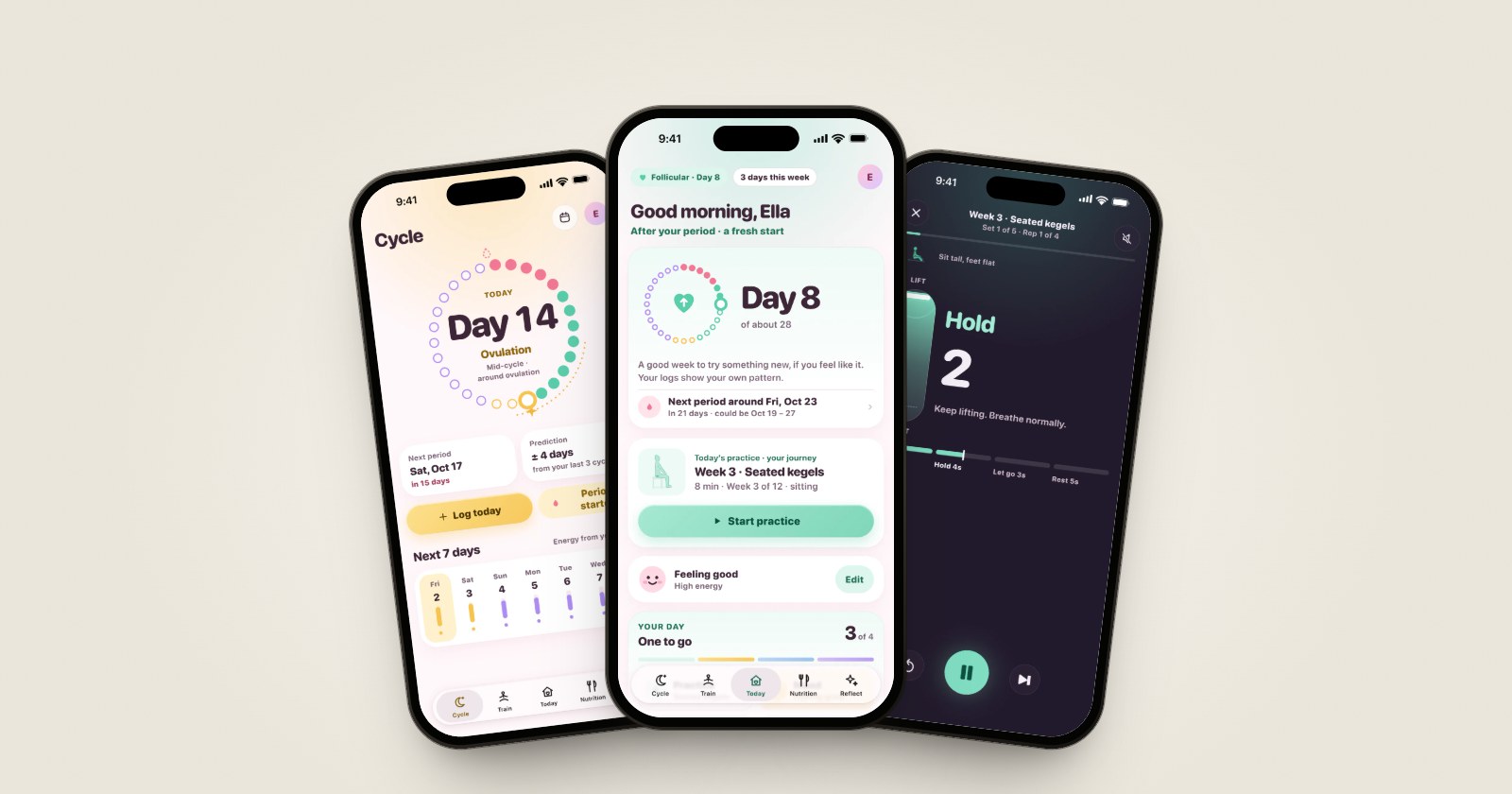
Tracking your period should be private. With the popular apps it isn't: they want an account, and they keep what you log on their servers. Private trackers exist, but none we found also trained your pelvic floor or changed with pregnancy, the weeks after birth and menopause. So we built Fia to do all of that on your iPhone, without asking who you are.
The problem with period trackers
A period tracker holds some of the most private details of a life: your periods, your moods, your symptoms, whether you're trying to get pregnant. The apps people trust with those details have often passed them on.
- Of the 23 most popular women's health apps in one review, 20 shared user data with third parties.
- In 2021, the US Federal Trade Commission said Flo Health had shared users' health data with marketing and analytics companies, including Facebook and Google, after promising to keep it private.
- In 2023, the FTC charged the maker of the fertility app Premom with sharing users' health data without telling them.
- In a US class action over the Flo app, Google, Flo and Flurry agreed to pay $59.5 million to settle claims that it passed on what people logged about their periods and pregnancies. They deny wrongdoing. The court's final approval hearing is on October 29, 2026.
None of this took a hacker. An app that keeps your logs on its servers, or sends events to an analytics or advertising company, can pass them on. We wanted an app with nothing to pass on.
What we heard before we built it
In the weeks before launch, we read what people say about the apps they use: App Store reviews, Reddit threads, forums, press reports and research, on period trackers and kegel apps. The same complaints kept coming back, and we changed Fia to answer each one. The quotes below are from US App Store reviews of popular period trackers, written between August and October 2026.
- Popups before you can log. "No, I don't want premium. I tell you that every single day when I log in," one reviewer wrote. Fia has no ads, and nothing stands between opening it and logging. Fia Plus shows its price where you tap for it.
- Your own history behind a paywall. "Any info about your cycle or length is also behind a paywall." In Fia, your calendar, every log, your cycle and period lengths, and a one-page summary for your doctor are free.
- One date, often wrong. "I dont like how it says 'your period is late' when i have an iud." Fia shows your next period as a range of days and says which cycles it's based on. It doesn't call a period late while that range is still open, and on hormonal contraception it shows bleed days only. Why a range, and not a date.
- A pregnancy you didn't ask about. "I wasn't set as trying to conceive but the notifications and content were still highlighting it constantly." Fia doesn't assume you want a baby, or that you don't, and it has no "Am I pregnant?" articles.
- Accounts that lose everything. "Every couple of months, it loses all my data and acts like I have no account." Fia has no account to lose. Your logs live on your iPhone and export as a PDF or CSV whenever you like.
- Kegel apps that score what they can't feel. In kegel apps with a probe, the complaints were about dropped connections and scores that didn't match the squeeze. Fia has no probe and no score. It times each lift, hold and let-go, and its guide to doing a kegel says when to see a pelvic health physical therapist first.
Why kegels are in a period tracker
Pelvic-floor training has clear guidance behind it. NICE's is at least 8 squeezes, 3 times a day, for at least 3 months. The apps that teach it rarely know where you are in your cycle or your life, and most period trackers leave it out. When we searched the US App Store in October 2026, we found no app that combined the two with pregnancy, the weeks after birth and menopause.
So Fia does both. A session eases off on a day you log cramps, pain or low energy: shorter holds, longer rests. Pregnancy, the weeks after birth and menopause each have their own six-week journey, and in pregnancy and the first 12 weeks after birth, forceful breathing and breath holds stay out of your sessions.
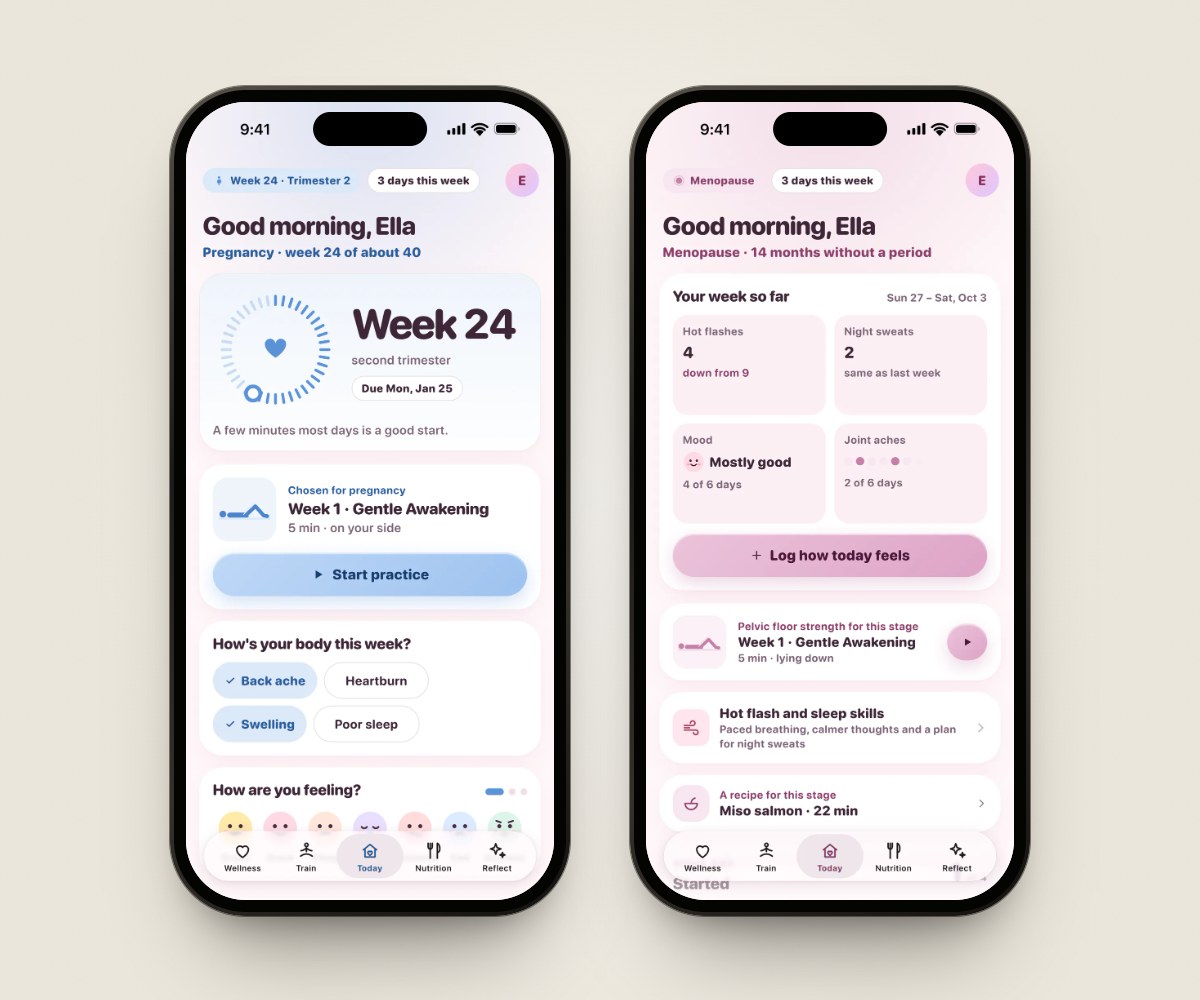
If you only want a period tracker, you can have that too. Since version 1.0.1, How you use Fia, in Settings, can make Fia a calm period tracker, and the kegels wait until you want them.
How Fia stays private
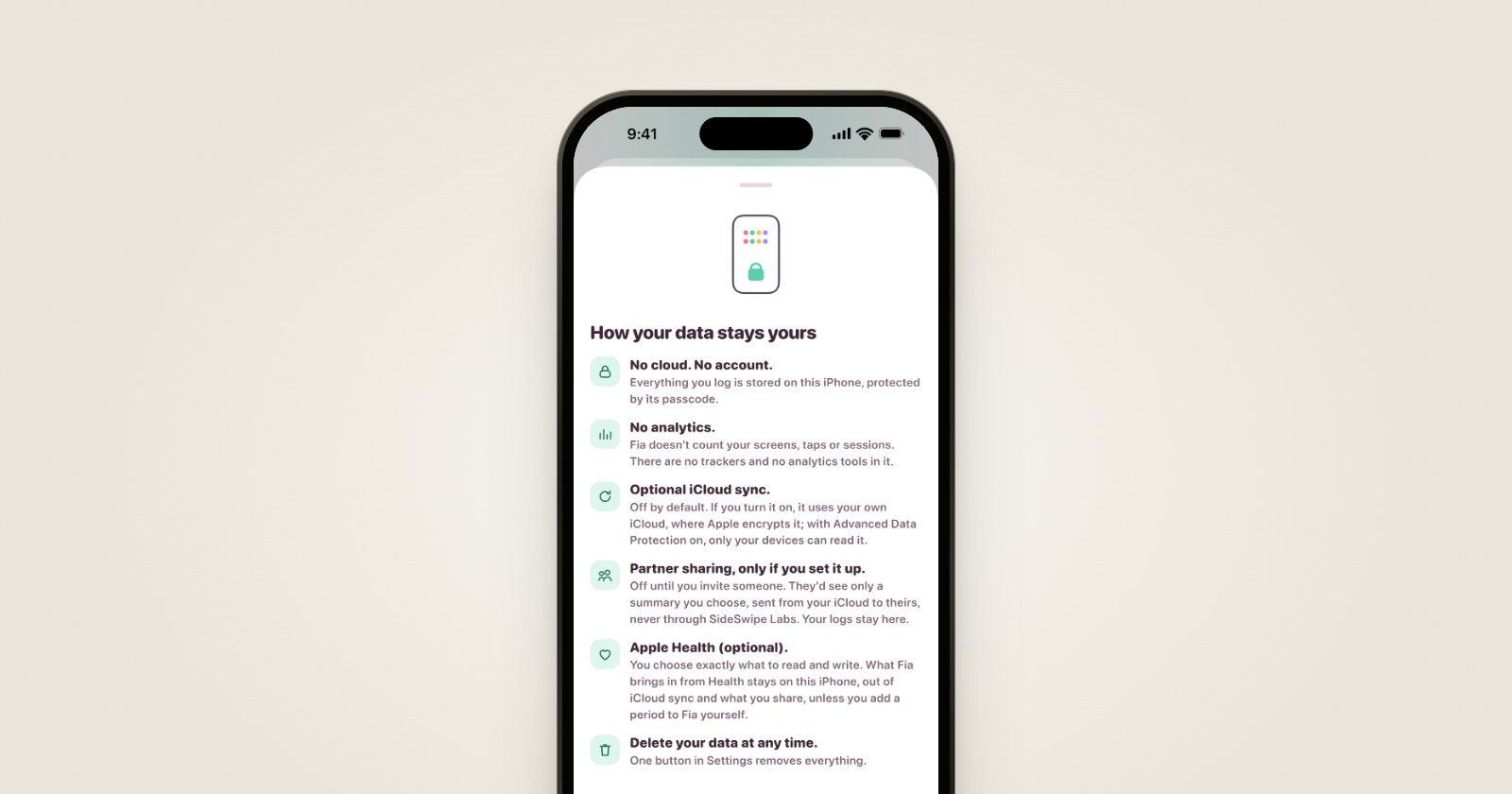
Fia has no account and no sign-up. Your logs stay on your iPhone. Sync to your own iCloud is off until you turn it on, and so is Apple Health. There are no ads and no analytics, and Fia doesn't count your screens or taps. We took the analytics out a week before launch.
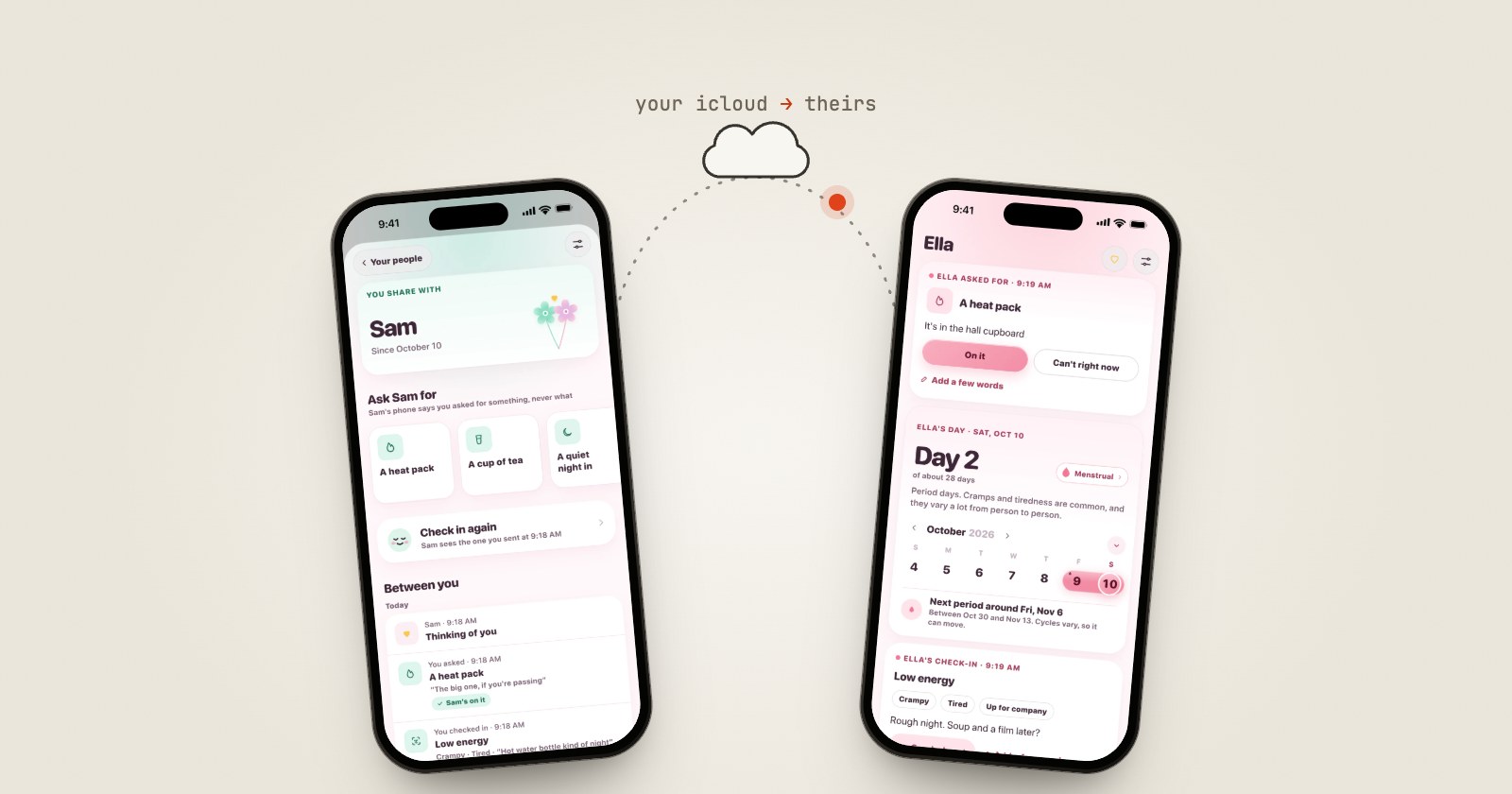
If you share a summary with someone, it goes from your iCloud to theirs and never passes through SideSwipe Labs. How Fia's partner sharing works covers every rule. App Lock asks for Face ID or Touch ID each time Fia opens, and Discreet Mode swaps in plain words, on screen and in reminders.
The App Store label is the short version of all this. What "Data Not Collected" means for your period tracker is the long one, and App Privacy Report on your iPhone lets you check it yourself.
What Fia won't do
We also wrote down what Fia won't do:
- No AI chat, and no symptom checker.
- No probe, no strength score, and no "quality" percentage.
- No training that changes with your cycle phase. Sessions change with how you feel.
- No ads, no supplements and no affiliate links.
- No free trials that turn into a charge, no countdowns, no win-back offers, no paywall popups.
- No "Am I pregnant?" content, and no pregnancy headline on a late period.
- No fertile window sold as birth control. It's an estimate, and Fia says so where it shows one.
- No account, no server of ours, no community and no chat.
Built on evidence, and honest about its limits
Fia's guidance cites 317 published sources, including NICE and Cochrane, and every one is listed in the app. Fia is a wellness app, not a medical device. It doesn't diagnose anything, and its fertile window is never contraception.